A noisy type of bird species that often makes forest floors and orchards lively - that's what jungle babblers are. They are seen throughout the Indian subcontinent, including in Kerala.
In our locality, it is often seen in bushy and scrub areas, plantations with lots of undergrowth, and close to jungle-like areas.
How they behave
Jungle babblers are seldom seen alone. They almost always move in groups of 7 to 10 (or more?), while making calls, noises, and chattering all the time.
Their style of movement is also peculiar. They make short and weak flights - a few meters - to move from one area to another, sometimes just hopping on the ground while searching for food in between dry leaf litter and ground cover.
Their main diet is insects, and other invertebrates like spiders, which is evident from their foraging on the ground. Because of that, these birds are known as kariyilakkili, or kariyilappada in Malayalam language. kariyila means dry leaves, and pada means a group, which is apt for this noisy flock of birds.
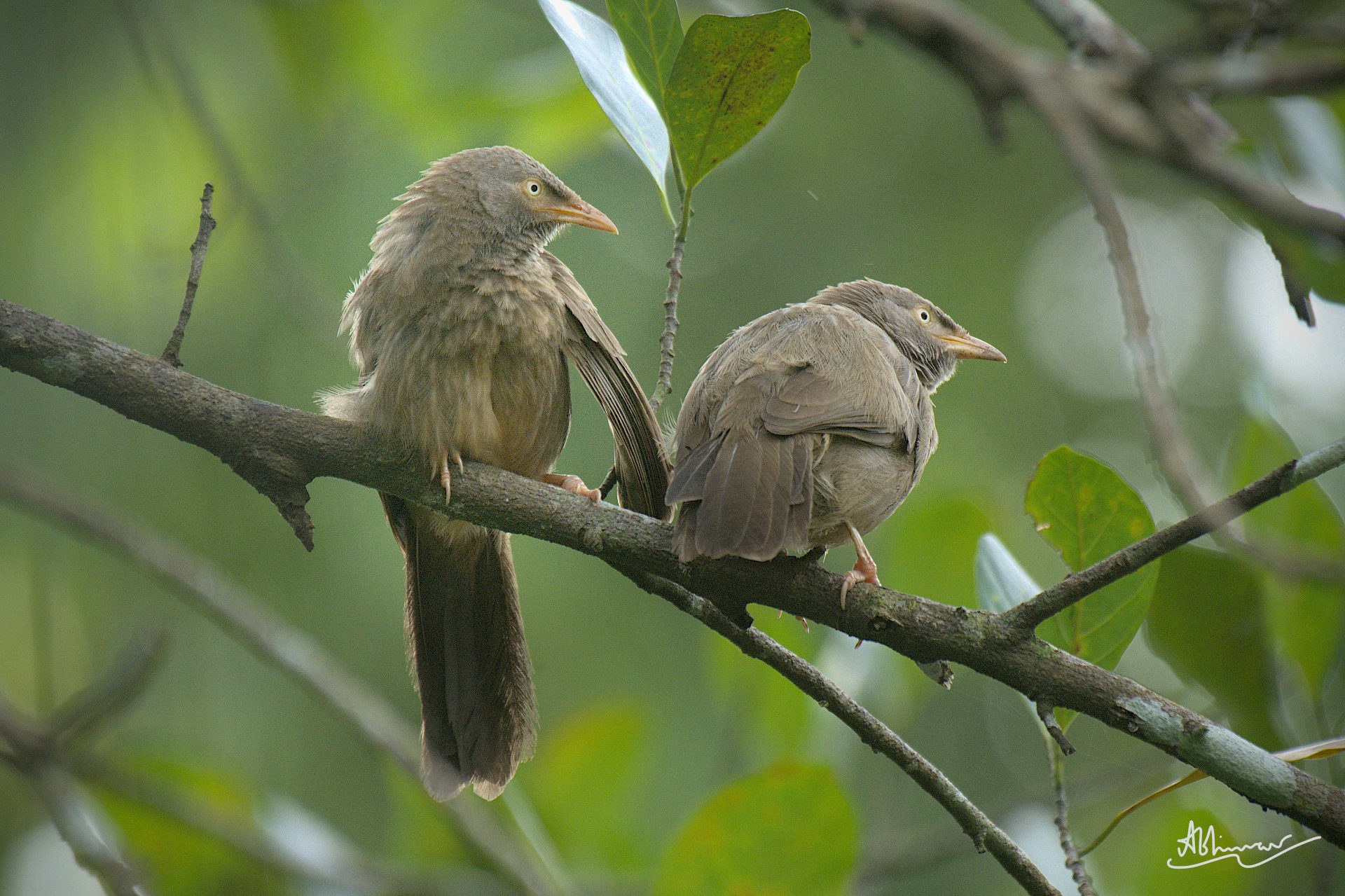
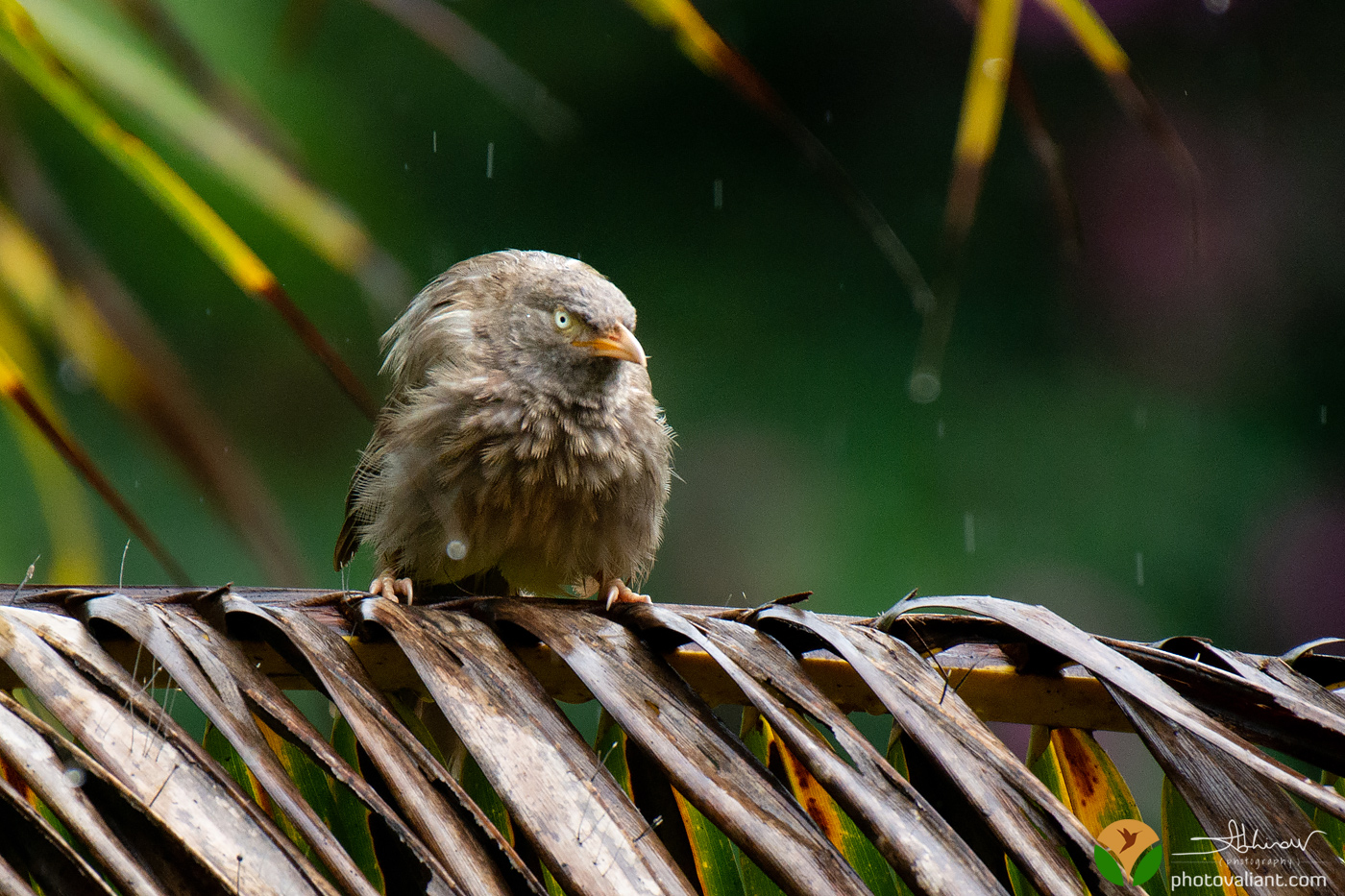
In between foraging sessions, or during rainy periods, they can also be seen perched a little above the ground, on tree branches, often in pairs or groups, preening themselves or each other.
How to identify Jungle Babblers
In some areas, like around my home area, Jungle Babblers are easy to identify - because there is no other similar bird here.
However in most parts of peninsular India, there is another babbler that look quite similar in appearance to this - Yellow-billed Babbler.
Initially, I was a lot confused whether the photos I took from Kottayam area are that of Jungle Babbler or Yellow-billed Babbler. However, the calls of the two species are quite distinct. The one that I photographed has a little lower pitched, 'chrek... chrek' type of calls. They also make other type of alarm calls, as far as I know.
Whereas Yellow-billed babblers have high-pitched calls, which is quite different. I listened to a couple of recordings on Ebird, and they are nothing like the calls of the birds I found.
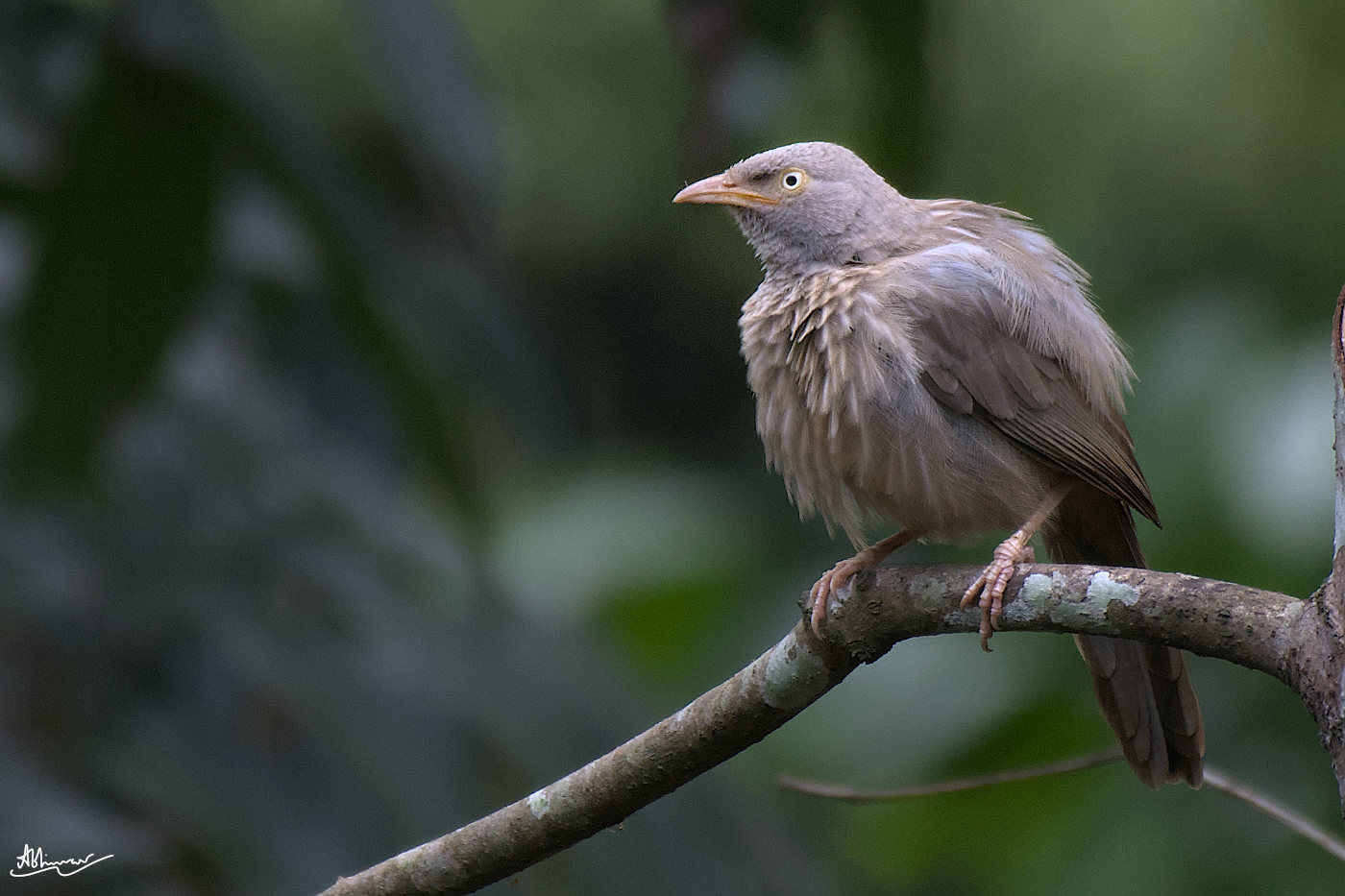
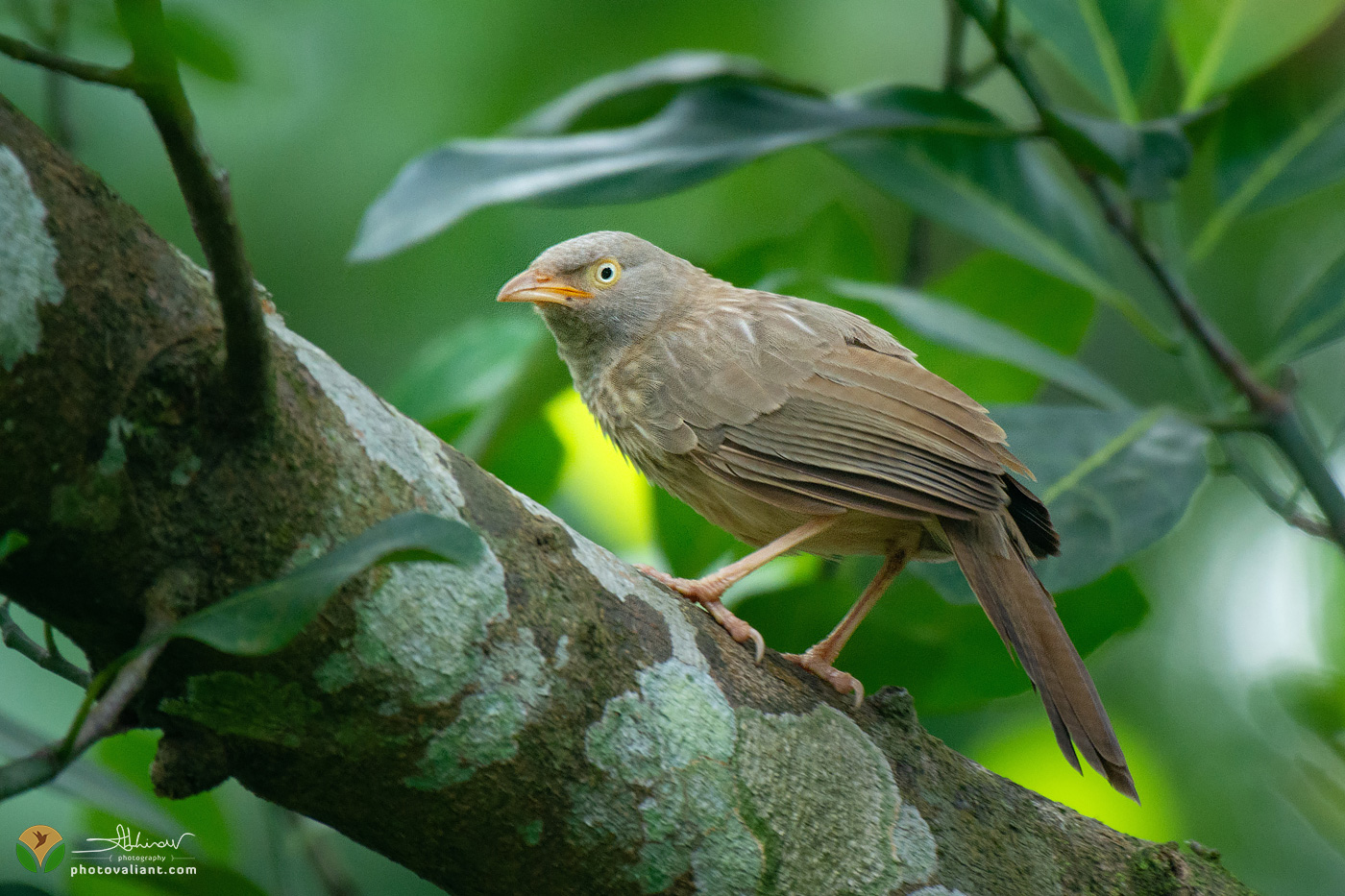
Apart from that, in appearance, Jungle Babblers have a more uniform brown feathers overall, iris of the eyes are usually cream white, and pale yellow bills.
On the other hand, Yellow-billed Babblers often have a lighter colored crest, iris of the eyes are usually bluish, and they are often smaller in size than Jungle Babblers.
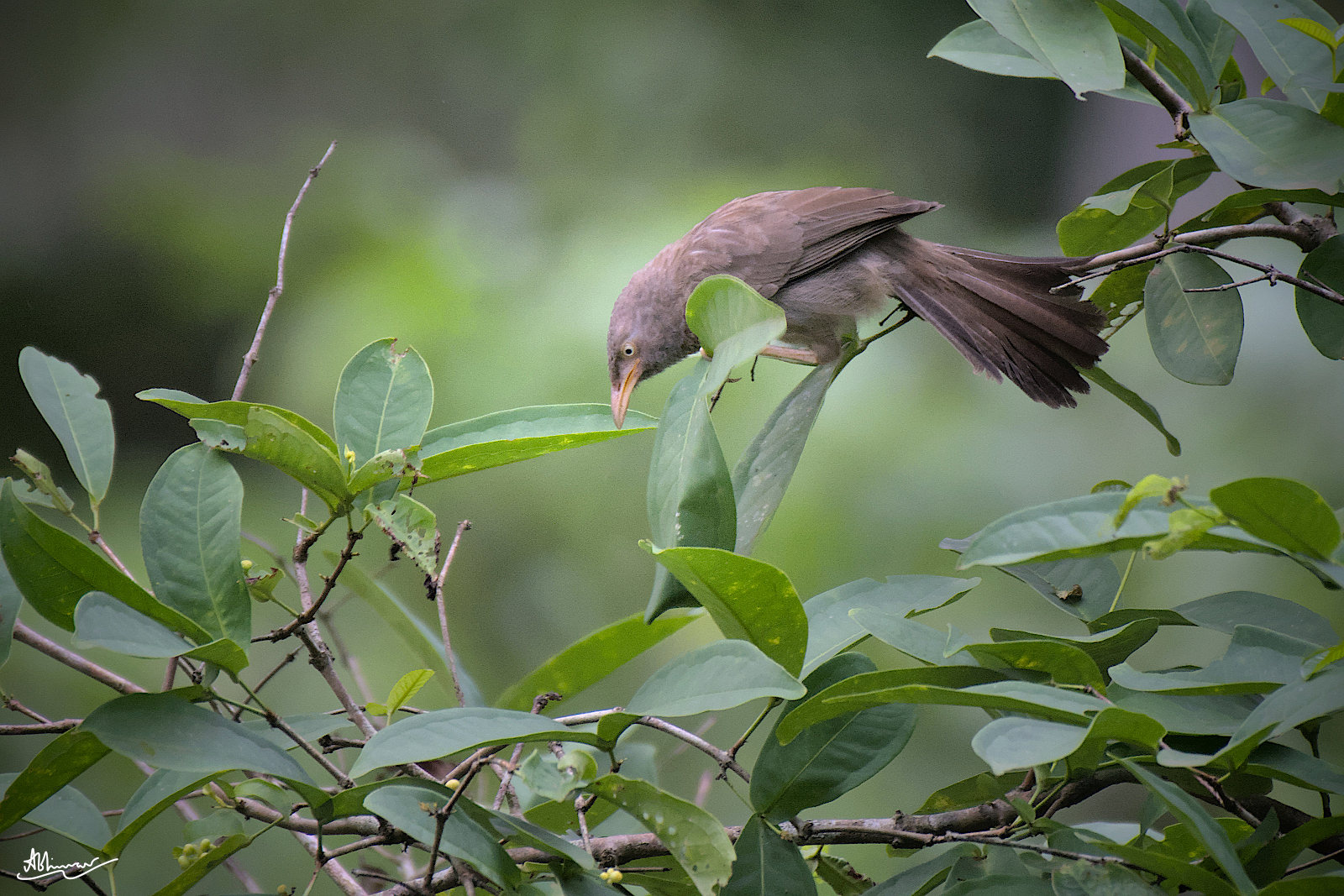
Overall, based on all these data, I am 95% sure that the birds in these photos are that of Jungle Babblers.
What can you infer from the presence of Jungle Babblers?
These are just my assumptions, nothing scientific. If Jungle Babblers are often visiting a particular locality, that means the area has good fertile soil rich in carbon and humus. Also the place has lots of forested, or semi-forested, and scrub areas. There is a chance that flycatchers also visit the area.
Additional Photos
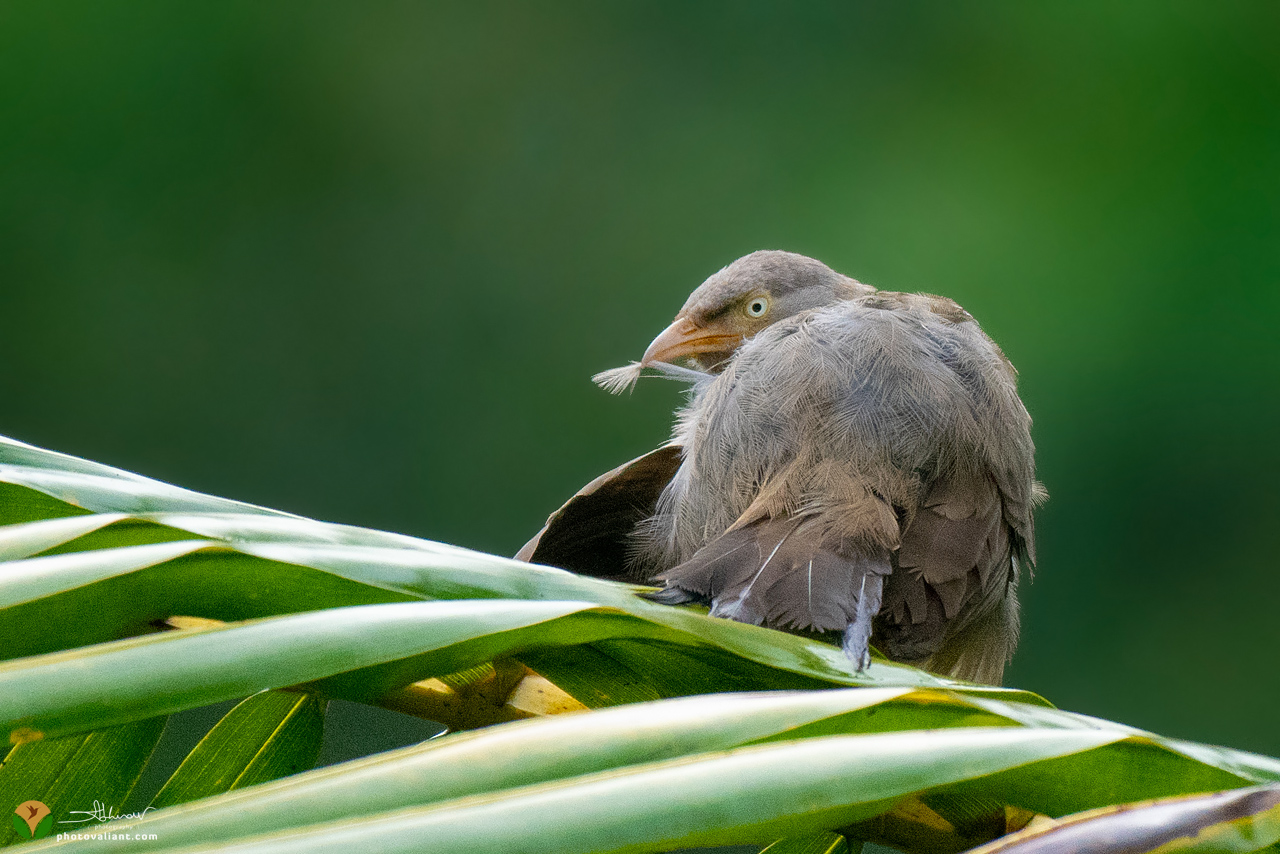
As I already said, these babblers spent most of the time on the ground. But somehow, none of the photos I've taken show that behaviour - all are perched. Next time, I should try to get a their behavior on the ground. A video might be better to show the whole flock.
Conclusion
Here are the key facts about Jungle Babblers:
- found all across Indian subcontinent
- loves forested, semi-forested, and scrub areas
- moves closer to the ground, often by jumping
- forages on the ground, eats worms, insects
- short, weak flights
- highly noisy, keeps on chattering
- can be confused with Yellow-billed Babbler, but calls are distinct
- species: Argya striata